This post has been folded into a fuller guide.
Read Why Lighting Control? Managing 150 Lights in a Home, which covers DMF tunable white fixtures, the Artafex line, keypads, scenes and energy savings in one place.
This post has been folded into a fuller guide.
Read Why Lighting Control? Managing 150 Lights in a Home, which covers DMF tunable white fixtures, the Artafex line, keypads, scenes and energy savings in one place.
This post has been folded into a fuller guide.
Read Why Lighting Control? Managing 150 Lights in a Home, which covers keypads, scenes, the all-off button, energy savings and tunable fixtures in one place.
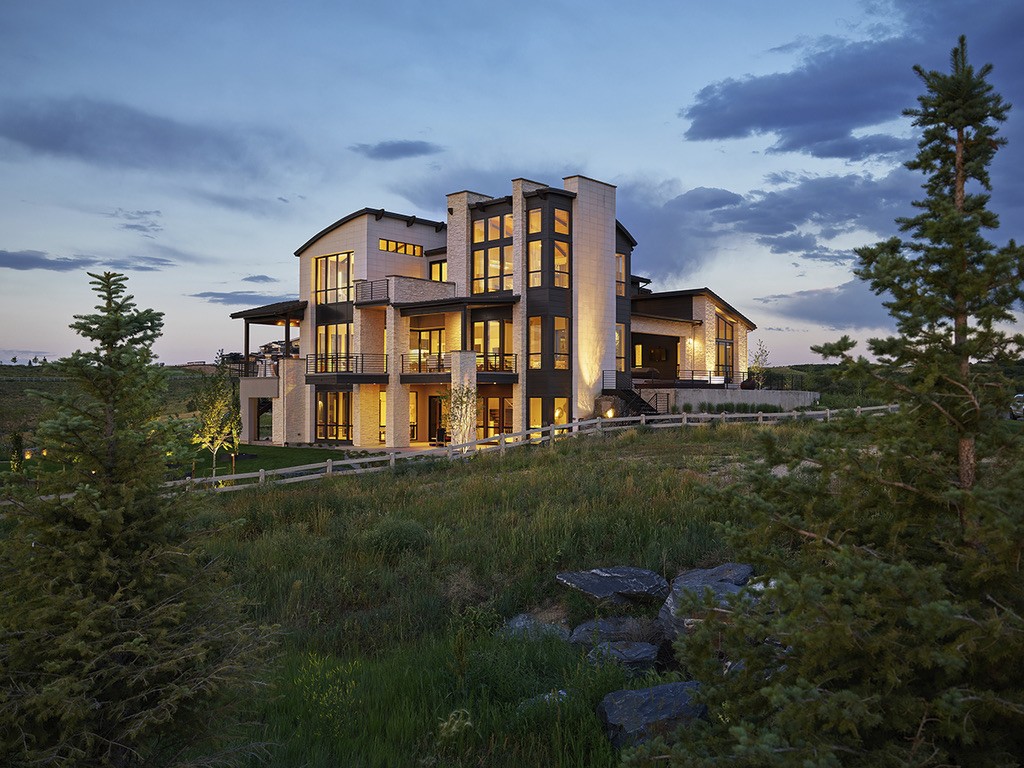
A luxury home can carry 150 loads of lighting fixtures. Often more. The question nobody asks until the house is finished is how anyone is supposed to manage them.
Count the switches on a single plate in your main living area. Five? Six? Now ask which one runs the cove lighting. Nobody in the house knows, so people press all of them until the room looks right, and the plate itself is a row of paddles on a wall that somebody paid an architect to design.
Then there is the nightly question: who turns the lights out? The last person to bed? Whoever happens to be closest to the switch? In most houses the answer is that half of them stay on.
An all-off button takes the hassle out of retiring for the night. One press, every controlled load off. You can also run it on a schedule, so the house dims itself down at a set time whether anyone remembers or not.
Better still, tie it into the control system so the same button that arms the security system and locks the doors also kills the lights and the house music. Leaving in a hurry stops being a question of whether you left something on.
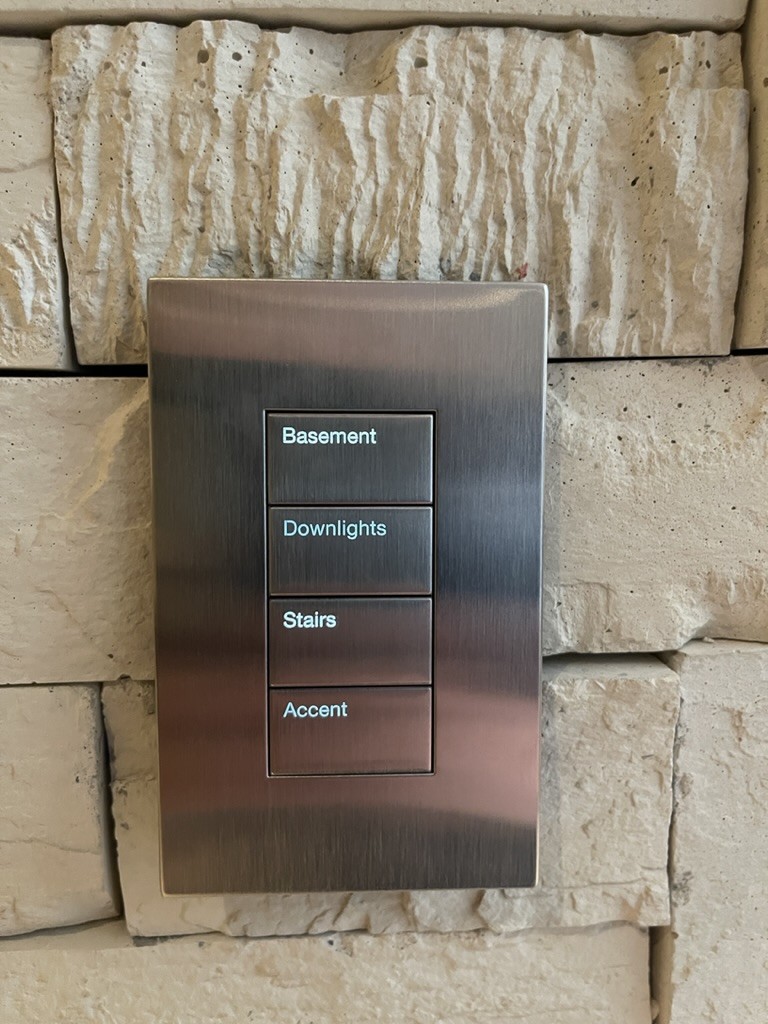
A multi-gang plate of switches gets replaced by a single-gang keypad, available in designer colors with sleek screwless plates. The wall gets quieter, and the buttons are engraved with what they actually do rather than leaving you to guess.
Most rooms have several sources of light for different reasons: accent lighting that highlights an architectural feature, ambient light that sets the mood, task light you actually read by. On switches, combining them means operating four controls in sequence and getting it slightly wrong every time.
A lighting scene sets all of them at once, at levels chosen when the room was designed and furnished. One preset button recalls it. The difference between a room with good lighting design and a room with a lot of light fixtures is almost entirely down to whether anyone set up the scenes.
Running a light at 90 percent saves roughly 20 percent of the energy it would draw at full, and the drop is barely perceptible to the eye. Scenes almost never call for full illumination anyway. The system saves money while making the room look better, which is a rare combination.
Control is only half of it. Historically a lamp came at a fixed color temperature, warm or cool, chosen at the moment of purchase. Change your mind later and you replaced the lamp.
Tunable white fixtures removed that limitation. ESC is a dealer for DMF Lighting, whose tunable fixtures adjust across a range of 4000K to 1800K or 6500K to 2700K depending on the model. Their Artafex line lets different lamp types share a single rough-in bracket, which is an industry first and a genuine convenience when a room gets changed years later.
At the top end, Ketra takes the same idea further, following the daily curve of natural light and holding above 90 CRI across its whole range.
Lutron, Control4, Crestron and Savant have been building lighting control for decades. The products are reliable, straightforward to live with, and cost-effective at this point. ESC installs all of them, and as a Lutron Diamond Dealer we do the majority of our lighting work on Lutron RadioRA 3 and HomeWorks.
Whole-home control is the ideal, but doing the primary areas first is a legitimate approach and a common one. Kitchen, great room, primary suite and exterior cover most of the daily use. The system expands later.
Lighting control changes the wiring topology. Panelized systems need the load schedule handed to the electrician, and they need panel space. Keypad locations want deciding while walls are open, not after the painter has left. Bring it up during design, alongside the electrical plan.
Electronic Services and Concierge is a Lutron Diamond Dealer in Lakewood, Colorado, designing and programming lighting control for homes across the Denver metro area, Summit County and Vail.
Call 720-532-0199, or read about the other half of the equation: motorized shades.
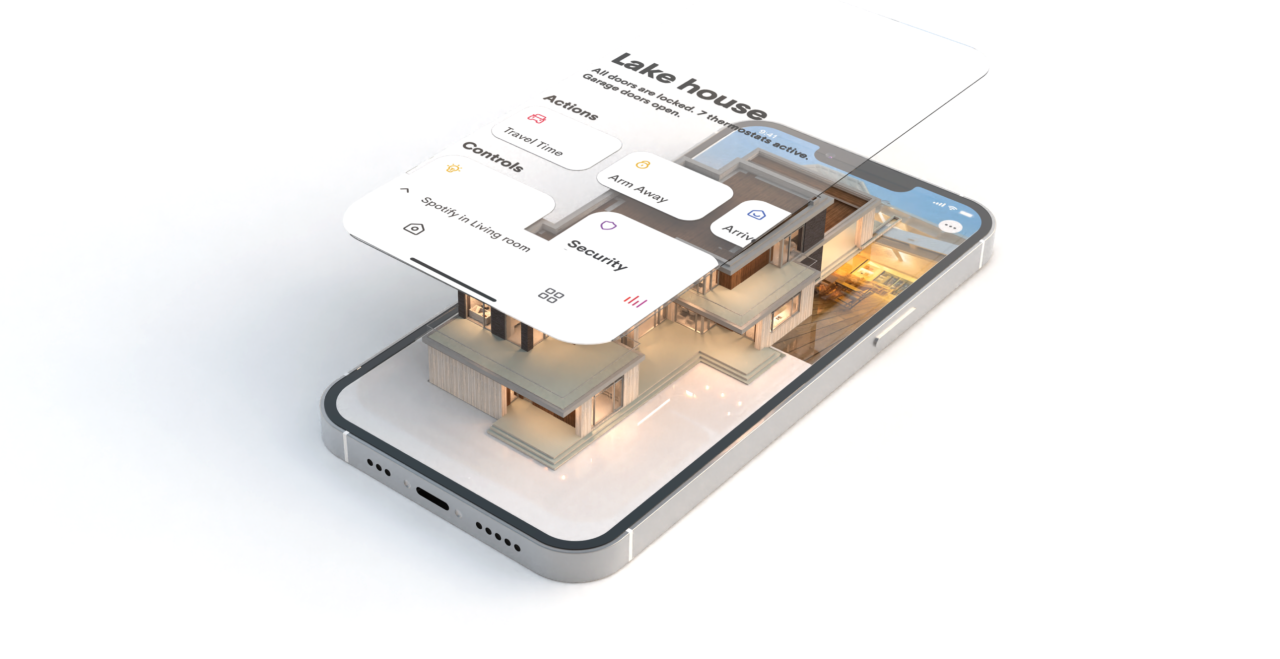
This 2024 announcement has been retired. The details are out of date.
For current information, see our Crestron page, or call 720-532-0199.

Ketra is a line of light fixtures made by Lutron. What separates it from ordinary LED lighting is what is inside each fixture: three colored LEDs and one white LED, working together. That combination lets a single fixture produce a wide spectrum of color and color temperature, instead of the one fixed output a normal bulb is stuck with for its entire life.
Everyone understands color. Color temperature is the part that gets skipped, and it is the part that decides whether a room feels right.
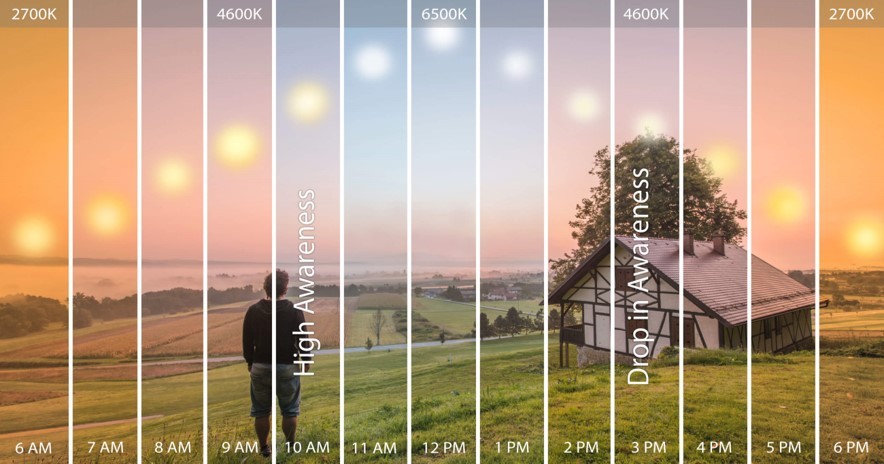
Color temperature describes variations in the appearance of white light. High color temperature reads slightly bluish. Low color temperature reads slightly amber. Natural sunlight moves from low to high and back to low as the day progresses: amber at sunrise, cool and blue at midday, amber again in the evening.
Most light fixtures are locked at one point on that scale. You buy "cool white" or "warm white" and that is what the room gets at seven in the morning and eleven at night alike. Ketra fixtures can be warm, cool, and everything in between, and they can move across that range on a schedule.
That daily cycle of changing light is called circadian rhythm, and it controls how the body releases the hormones that affect alertness during the day and quality of sleep at night. Lutron makes a controller that uses Ketra's range to follow that cycle indoors, so the light in the house tracks what the light outside is doing.
In practice that means a kitchen that is bright and cool at breakfast and warm and low by late evening, without anyone touching a switch. It is the difference between lighting that works around your day and lighting you have to work around.
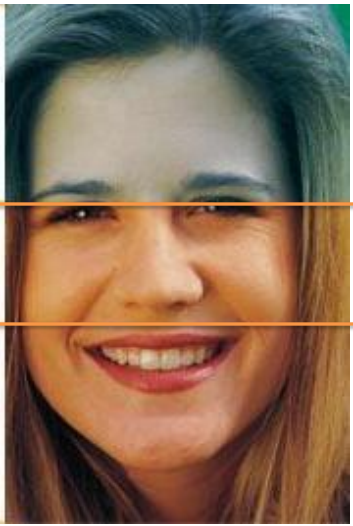
The other measure that matters is CRI, the Color Rendering Index. CRI measures how accurately a light source shows an object's true color compared to natural daylight. Typical lamps land somewhere between 50 and 80. Ketra fixtures are 90 CRI and above, which is excellent, and they hold that rating across their entire range of color temperatures. That consistency is rare and it is the hard part.
The difference is easiest to see rather than describe:
Ketra fixtures can also produce colored light, which gives interior designers a wide palette of scenes to work with. Used with restraint it is a genuine design tool rather than a party trick, and it is recalled from the same keypads as everything else.
Kitchens, because food and stone counters look completely different under accurate light. Rooms with art, where a low CRI fixture flattens exactly what the piece was bought for. Dressing rooms and closets, where matching clothes under bad light is a daily annoyance. And great rooms with large glass, where daylight sits right next to the fixtures and makes any mismatch obvious.
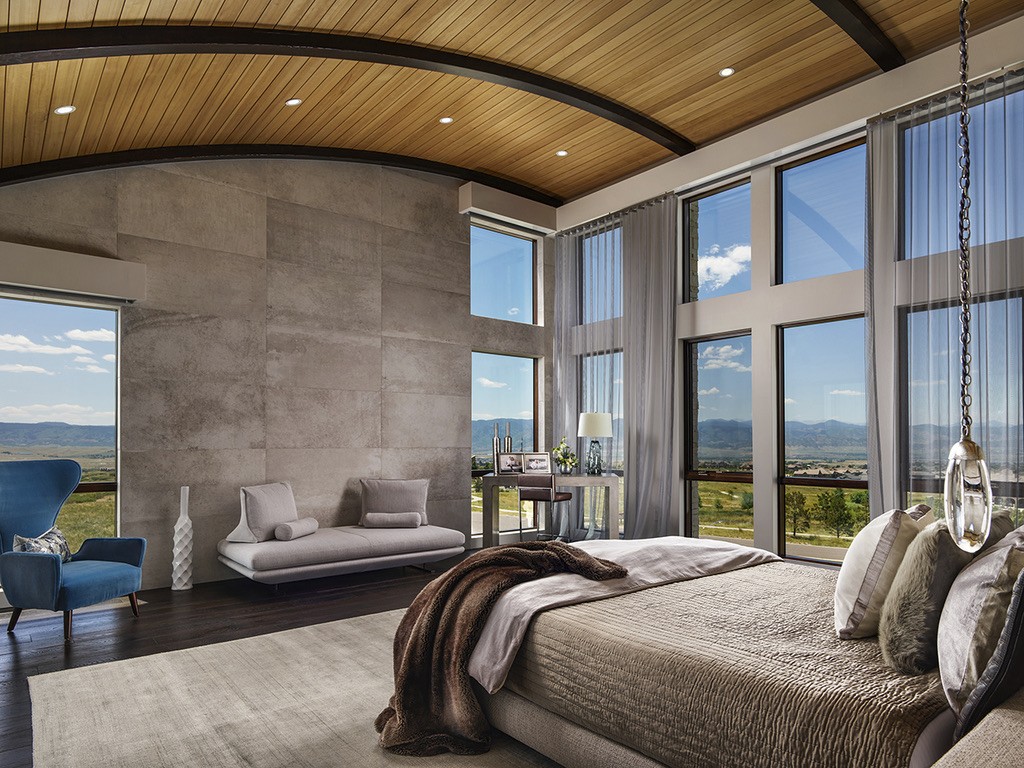
That last one matters in Denver. Homes here are built around light and views, with big west and south-facing windows. When the daylight coming through the glass is that good, mediocre interior lighting has nowhere to hide, and the contrast between the two is visible all afternoon.
Ketra is not a bulb you buy and screw in. The fixtures are controlled through a Lutron system, RadioRA 3 or HomeWorks, which means they live on the same keypads, scenes and schedules as the rest of the lighting and the motorized shades. One button sets the light level, the color temperature and the shade position together.
It also means Ketra is specified and commissioned by a Lutron dealer rather than bought off a shelf. The fixtures have to be laid out against the room, and the daily color temperature curve has to be tuned once the house is furnished.
Electronic Services and Concierge is a Lutron Diamond Dealer in Lakewood, Colorado. We design, install and commission Ketra lighting for homes across the Denver metro area, Summit County and Vail.
Call 720-532-0199 to talk about what Ketra would do in your rooms.
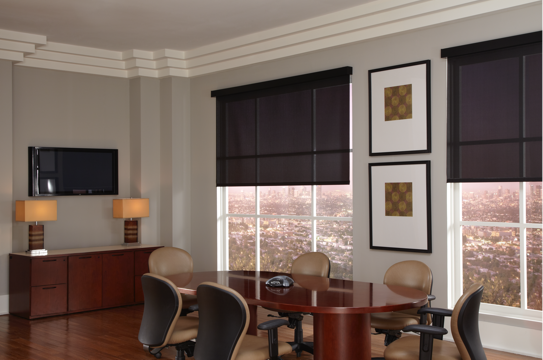
Lutron is known as a lighting control company, and that is fair. But window shades are half of Lutron's business. Not a side line, not an accessory catalog. Half. Once you think of a shade as a lighting control device rather than a window covering, that makes sense: a shade manages the largest and least predictable light source in the house.
Denver sits a mile above sea level. Thinner atmosphere means more ultraviolet light reaching the room, and the front range gets a lot of clear days. Add the large west-facing glass that shows up in almost every luxury home here, and three things follow.
Rugs, artwork, leather and wood floors fade, and they fade unevenly, so you notice it first as a line where a sofa sat. Afternoon heat gain fights the air conditioning in exactly the rooms people want to use at that hour. And glare makes a beautifully positioned television unwatchable between four and seven in the evening.
Shades solve all three, which is why we treat them as part of the lighting design rather than something the interior designer adds at the end.
Reach is the obvious one. Two-story great rooms, stairwell windows and clerestory glass are not going to be operated by hand, so in practice they never get operated at all. Motors make those windows usable.
Scheduling is the one people underestimate. Shades that close at sunset across the whole house, or drop halfway on the west side at two in the afternoon, do their work whether or not anyone is home or thinking about it. That is where the fade and heat protection actually comes from. A shade you have to remember to close protects nothing.
Privacy is more precise than a curtain. A dual roller gives you a sheer during the day and a blackout at night on the same window, so you keep the view when you want it and lose it when you do not.
Openness factor is the number that matters most and gets discussed least. A 10 percent openness fabric preserves a mountain view and cuts glare. A 1 percent fabric gives you privacy and much darker light. A blackout gives you a media room. The same window, the same motor, three completely different rooms depending on the roll of fabric.
Beyond roller shades, honeycomb fabrics add real insulation value at the window, and wood blinds suit rooms where the shade should read as millwork rather than fabric. Lutron publishes their full fabric library here:
Battery shades are the retrofit answer. Nothing opens up, they install in an afternoon, and they are the right call in a finished home where running wire would mean patching and repainting. The tradeoff is that batteries are a maintenance item, and on a house with thirty shades that becomes a recurring chore.
Wired shades are the answer during construction or a remodel with walls open. No batteries, more reliable at scale, and the shade can be tied into power management with the rest of the system. If your walls are open, wire them.
This is the part that separates a motorized shade from an automated home. When shades run on the same Lutron RadioRA 3 or HomeWorks system as your keypads and dimmers, one button by the door can dim the lights, drop the shades and set the room in a single press. Scenes recall both together. Sunset triggers both together.
The same shades integrate with Control4, Savant, Crestron and Josh.ai, so if the house runs on one of those, shade control lives in the same app and the same voice command as everything else. Shades bought as a standalone product from a window covering shop generally do not do any of this.
Recessed shade pockets have to be framed into the ceiling before it closes. Power has to arrive at the head of the window. On a new build or a gut remodel these are cheap decisions in the framing stage and expensive ones afterward. This is the single most common thing we get called about too late.
If you are working with an architect or builder, bring the shade conversation into the programming phase alongside plumbing and electrical, not after the drawings are approved.
Electronic Services and Concierge is a Lutron Diamond Dealer in Lakewood, Colorado. We specify, install and program Lutron motorized shades for homes across the Denver metro area, Summit County and Vail, and we integrate them with whatever lighting and automation system the house is running.
Call 720-532-0199 to talk through what your windows actually need.

Headquarters:
608 Garrison Street Unit G
Lakewood, CO 80215
p: 720 532 0199